Masters Compare - Find your perfect masters course.




Masters Compare - Find your perfect masters course.

 Study Details: 1 year
Find out about courses, learn about the application process, and discover how we can help you achieve your professional goals.
The one-year Conservation and Land Management MSc is intended for students with a strong interest in land use who want to increase their knowledge of conservation issues.
The Conservation and Land Management MSc aims to provide students with a broad and balanced understanding of the fundamental science underpinning Conservation and Land Use. The course addresses issues concerned with sustainable use of the countryside. It examines habitats, wildlife, landscapes, and the natural and human factors influencing them. The course also examines how economic activities such as farming and forestry can be managed in an environmentally acceptable way, and how human enjoyment of the countryside can be incorporated within an integrated land use approach.
Students with degrees in agriculture, forestry, geography, biology, environmental studies, economics, law, social sciences and psychology have graduated from this course and gained employment with conservation agencies, NGOs and government organisations and with academic institutions both in the EU and overseas. The course focuses on sustainable use of the countryside including habitats, wildlife, landscapes and the natural and human factors influencing them.
This MSc course is embedded within our Conservation at Bangor research group and has close links with conservation-related research across the College of Science and Engineering. We also have strong research links with many conservation organisations locally, nationally and internationally e.g. Environment Agency, The Royal Society for the Protection of Birds (RSPB), Coed Cymru, local farmers and food industries.
The best thing about the course for me so far is the amount of practical experience I have gained. It's always good to get your hands dirty and learn how to conserve our natural environment in a hands on way.
Conservation and Land Management MSc has two parts.
Part 1 (120 credits): runs from September to May and consists of four taught modules, a Field Visit, and a Research Methods module component. They must be completed successfully before proceeding to Part 2.
Part 2 (60 credits): is the dissertation phase and runs from end of May to September. This is a supervised project phase which gives students further opportunity for specialisation in their chosen field. Dissertation topics are related to the interests and needs of the individual and must show evidence of wide reading and understanding as well as critical analysis or appropriate use of advanced techniques. The quality of the dissertation is taken into account in the award of the Masters degree. Bangor University regulations prescribe a maximum word limit of 20,000 words for Masters Dissertations. A length of 8,300 words is suggested for Masters programmes in our School.
Entry to the MSc/Diploma Conservation and Land Management programme requires at least a 2(ii) undergraduate degree in a relevant subject e.g. biology, agriculture, environmental studies, geography, economics, law, social sciences and psychology Applications from mature applicants, who have relevant experience in forestry, agriculture, conservation or land use, are actively encouraged. Applications from people with other backgrounds wishing to develop an understanding of rural development issues are welcomed and will be considered on an individual basis.
IELTS: 6.0 (with no element below 5.5) is required.
For fees and funding options, please visit website to find out more
Graduates from this course gained employment with conservation agencies, NGOs and government organisations and with academic institutions both in the EU and overseas. This MSc course has also produced high calibre scientists in the fields of climate change, sustainable agriculture, renewable energy and animal diseases and human health.
“Upon completion of the course I gained employment as a Project Manager with a wildlife conservation charity. Many of the skills I developed as part of the course were essential in my day to day responsibilities.” Anna Jones, CLM Graduate
Conservation and Land Management MSc has two parts.
Part 1 (120 credits): runs from September to May and consists of four taught modules, a Field Visit, and a Research Methods module component. They must be completed successfully before proceeding to Part 2.
Part 2 (60 credits): is the dissertation phase and runs from end of May to September. This is a supervised project phase which gives students further opportunity for specialisation in their chosen field. Dissertation topics are related to the interests and needs of the individual and must show evidence of wide reading and understanding as well as critical analysis or appropriate use of advanced techniques. The quality of the dissertation is taken into account in the award of the Masters degree. Bangor University regulations prescribe a maximum word limit of 20,000 words for Masters Dissertations. A length of 8,300 words is suggested for Masters programmes in our School.
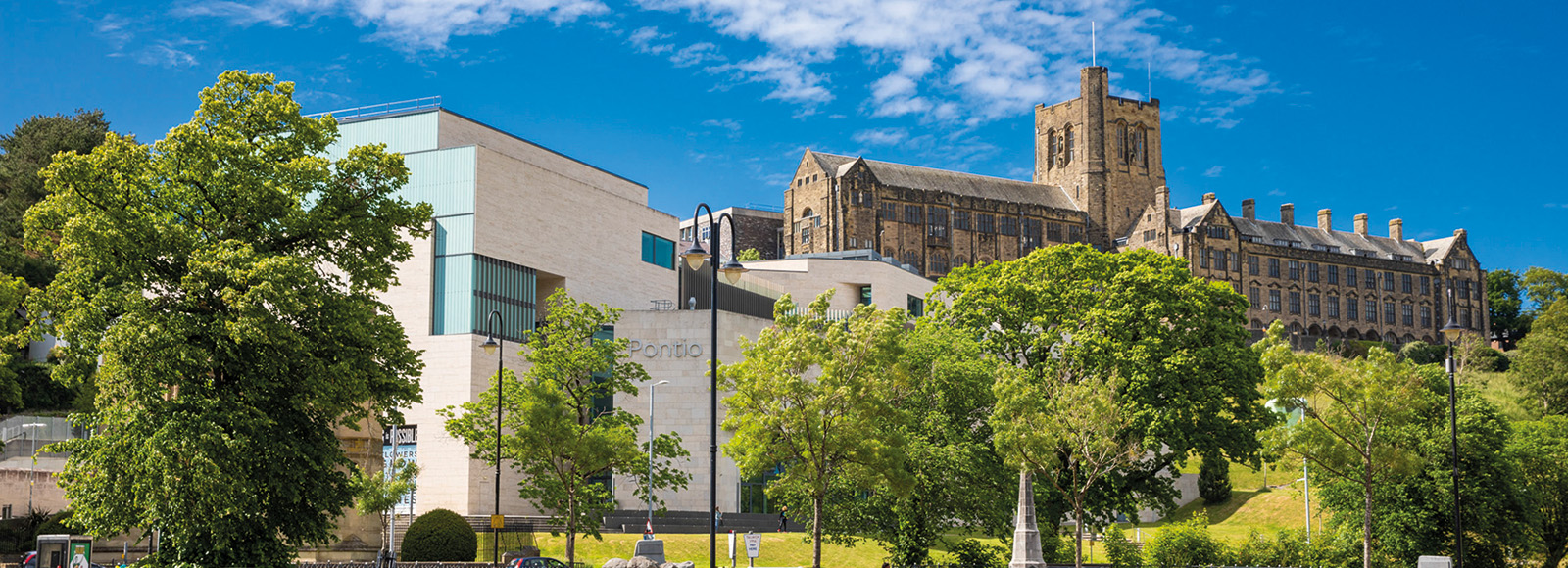
Your Future in Action. Nestled between the mountains and the sea in North Wales, Bangor University offers a postgraduate experience shape...