Masters Compare - Find your perfect masters course.



Masters Compare - Find your perfect masters course.



 Study Details:
Our course is designed with research-oriented knowledge in the field of electronic engineering covering embedded real-time systems, DSP, 5G/6G systems, digital twin technologies, AI/ML, and robotics.
This is the first MSc in Electronic Engineering in the UK offering knowledge and skill set in contemporary digital twin technology which is highly sought after in both industrial and academia.
It is a hand-on course where theory and analysis will be validated in our state-of-the-art laboratories.
You will have exclusive opportunities to contribute to cutting-edge research projects at the London Digital Twins Research Centre, the 5G/6G and IoT Research Group and collaborate with leading global industry partners such as Ericsson, Rakuten Symphony and Viavi Solutions.
We welcome your application regardless of your background or experience.
For this course, ideally, we are looking for:
A 2:2 honours degree or above, or equivalent, in electrical/electronic engineering, computer science or a related computing engineering area, with evidence of previous programming experience, or
A minimum of three years' relevant work experience and the ability to study at postgraduate level.
Examples of career paths for our master’s graduates include senior engineer roles in electronic design, embedded systems, control systems, telecommunications, power electronics, data science, etc. In addition to lucrative employment opportunities, our master’s graduates are well-prepared for advanced studies, with many opting for specialised doctoral programmes to further their expertise in cutting-edge areas of electronic engineering and next generation technology research.
Digital Signal Processing and Communications (30 credits) - Compulsory
Digital Twin Engineering (15 credits) - Compulsory
Embedded Realtime Systems (30 credits) - Compulsory
Engineering Sustainability (15 credits) - Compulsory
Robot Manipulation (15 credits) - Compulsory
Machine Learning for Engineers (15 credits) - Compulsory
Individual Project (60 credits) - Compulsory
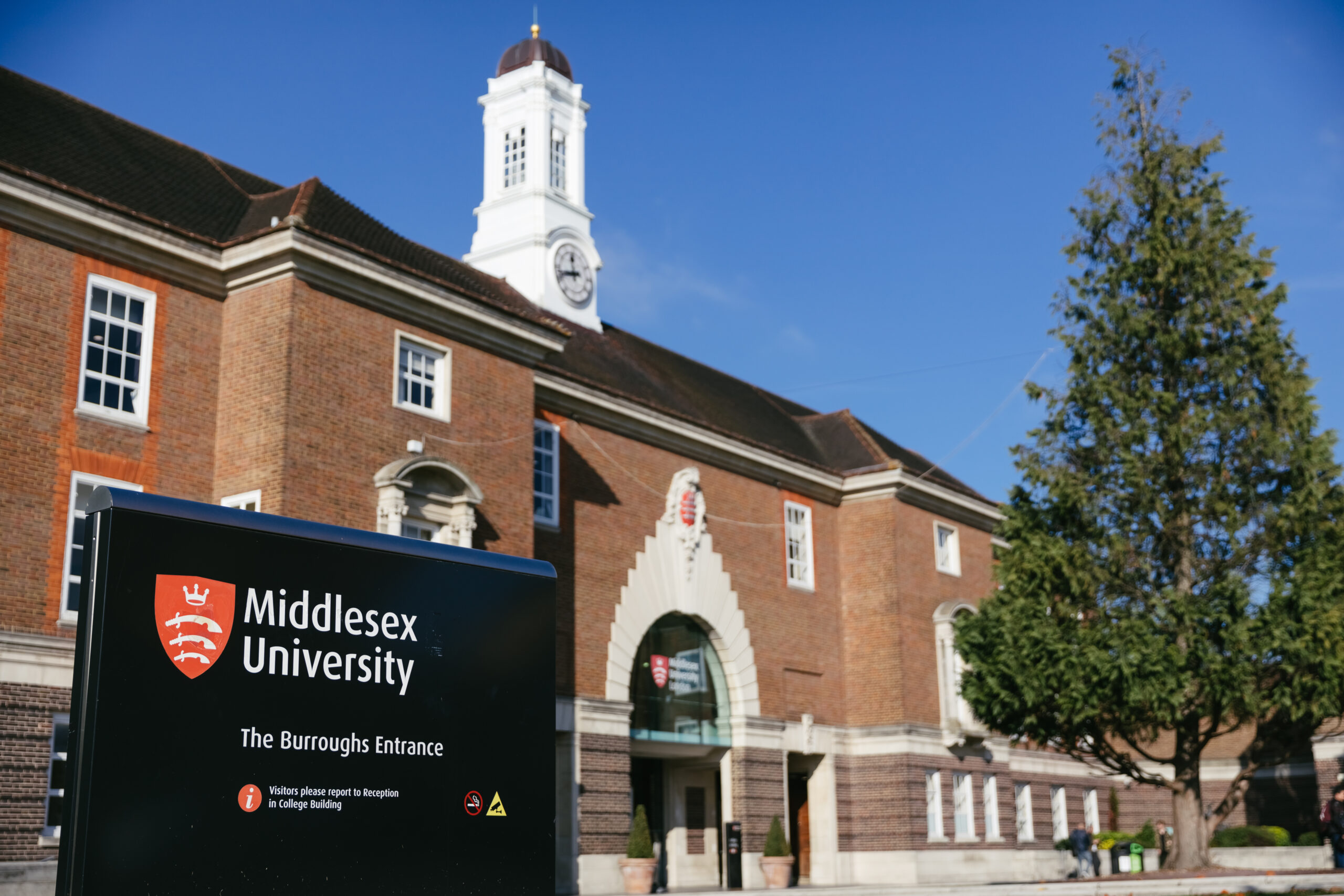
Master your future at Middlesex Postgraduate study at Middlesex is designed to move you forward. Whether you’re enhancing your career, changing direc...