Masters Compare - Find your perfect masters course.




Masters Compare - Find your perfect masters course.

 Study Details: 1 year, Full-time
2-3 years, Part-time
Be part of a global movement to protect and restore the planet’s natural diversity with Swansea University’s MSc in Global Biodiversity and Conservation.
This programme will equip you with the scientific understanding, practical skills and global perspective needed to address one of the most urgent challenges of our time—the loss of biodiversity.
Throughout the programme, you will study the patterns, processes and drivers of biodiversity, from local to global scales, learning to understand how they inform conservation action. Alongside this, you will also learn how policy, governance and sustainable development shape biodiversity conservation and environmental management.
Given the increasing reliance on digital tools in conservation science, the programme integrates technology-enhanced learning to ensure you are equipped with essential analytical and digital skills. Training in Geographic Information Systems (GIS), remote sensing, and data visualisation will enable you to analyse and interpret biodiversity data effectively. Workshops in data science and programming will introduce you to the use of large ecological datasets and predictive modelling in conservation planning.
A minimum of a second class (with 55% average) honours degree or equivalent in biological sciences or related field.
IELTS 6.5 (with a minimum of 6.0 in each component) or equivalent English test.
For fees and funding options, please visit website to find out more.
We offer a wide range of scholarships and bursaries for both taught and research courses to help you fund your study.
A degree in Global Biodiversity and Conservation opens doors to a wide range of impactful careers in protecting and managing our planet’s natural resources and biodiversity.
You will have the opportunity to engage with real-world partners, working alongside organisations including Natural Resources Wales, The British Mammal Society, and The National Wetlands Centre Wales, building valuable professional connections. Our graduates work across research, policy, consultancy and conservation management, both in the UK and internationally. Potential graduate destinations include:
Conservation & Environmental Organisations
International NGOs (e.g. The Nature Conservancy, WWF, Conservation International) working on global biodiversity, habitat restoration and species protection
National and regional terrestrial conservation charities (e.g. land-trusts, wildlife trusts, The National Trust, RSPB, rewilding initiatives)
Landscape and ecosystem restoration projects worldwide, from forests and wetlands to grasslands and freshwater habitats
Core Modules:
Advanced Techniques in Biodiversity Assessment
Science Skills and Research Methods
Ecosystems: Ecology, Conservation & Resource Management
Preparation for Research Project
Optional Modules:
Endangered Species and The Red List
Geographical Information Systems
Global Biodiversity Challenges in the Himalaya
Marine Restoration
Conservation of Aquatic Resources
Species Conservation Planning in Tropical Marine Systems
Law and the Nature Crisis
Research Project
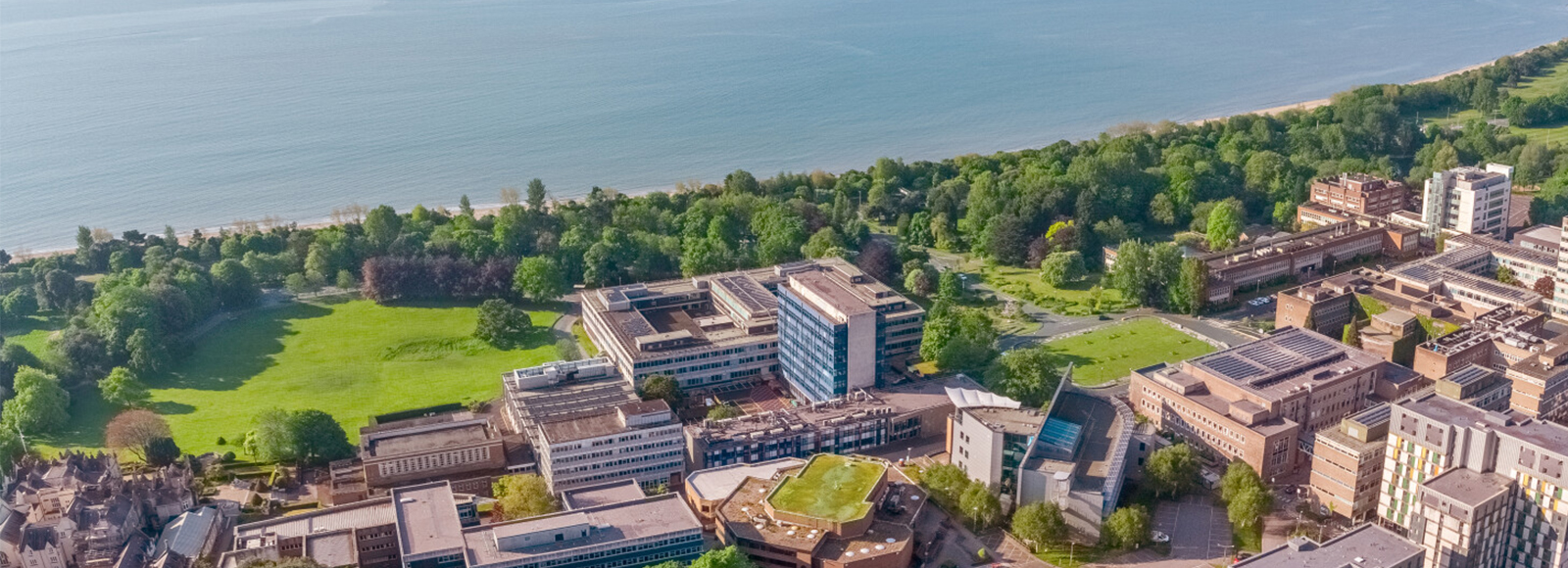
Boost your career prospects with a master’s degree at Swansea University — a place where postgraduate study feels achievable, supported, and genuinel...