Masters Compare - Find your perfect masters course.



Masters Compare - Find your perfect masters course.
 Study Details: One year
Advanced research-led course in software engineering where students develop knowledge and skills in software reuse, agile development, software architecture and critical systems engineering.
a 2.1 Honours undergraduate degree in Computer Science. If you studied your first degree outside the UK, see the international entry requirements
applicants to this programme are expected to be competent programmers with prior practical experience in a programming language such as Java, C, Python, C++ or JavaScript
For fees and funding options, please visit website to find out more
Software engineering can lead to highly diverse, varied, and well-paid career paths and graduates in this field are in high demand. You will gain the knowledge and skills needed to make a success of your career in a wide range of sectors.
Compulsory
Optional
The following modules are optional for Computer Science programmes. Not all combinations of modules will be available for all programmes, and some modules are subject to pre-requisites being satisfied.
Students choose three or four optional modules. In the 'Additional optional' lists, students can only take up to two of the modules in each list. See the module catalogue for further descriptions.
Here is a sample of optional modules that may be offered.
Optional modules are subject to change each year and require a minimum number of participants to be offered; some may only allow limited numbers of students (see the University's position on curriculum development).
Additional Optional
Students may take up to two of the following:
Students may take up to two of the following:
Optional modules are subject to change each year and require a minimum number of participants to be offered; some may only allow limited numbers of students (see the University's position on curriculum development).
Dissertation Project
During the second semester, students work with staff to define and agree upon a topic for the extended project, which they will work on during the final three months of the course, and which culminates in a 15,000-word dissertation. Dissertation projects may be group-based or completed individually (students are assessed individually in either case).
The dissertation typically comprises:
Each project is supervised by one or two members of staff, typically through regular meetings and reviews of software and dissertation drafts.
If students choose not to complete the dissertation requirement for the MSc, there is an exit award available that allows suitably qualified candidates to receive a Postgraduate Diploma instead, finishing the course at the end of the second semester of study.
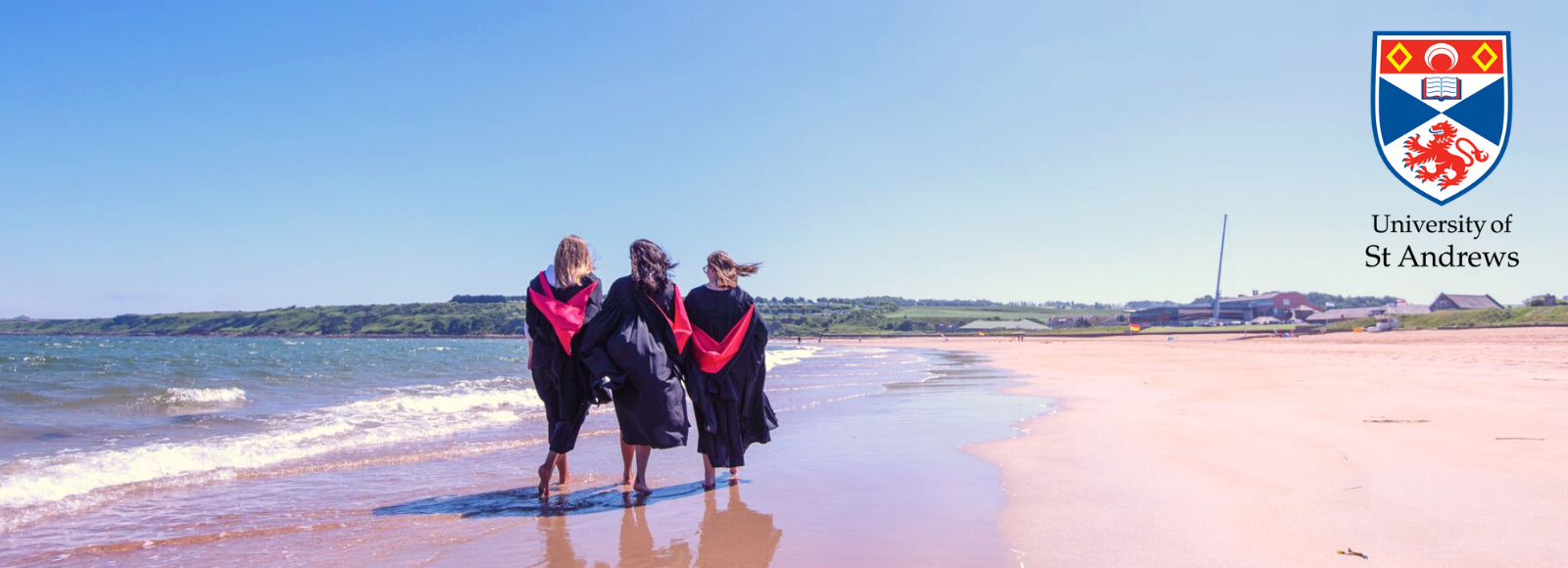
Scotland’s first university, an experience like no other Masters programmes to help you find your future. Are you looking to earn an outstanding post...