Masters Compare - Find your perfect masters course.




Masters Compare - Find your perfect masters course.
 Study Details: Full-time: 1 year, Part-time: 2 years
The climate crisis, biodiversity and habitat loss, the Covid-19 pandemic, the rise of populism, threats to free speech and democracy around the world, ageing populations: these are just some of the challenges we face in the 2020s.
At the same time there are many areas of opportunity. New and sustainable technologies promise a future with clean energy and zero-emissions vehicles, while social media enables people to work together to challenge prevailing orthodoxies, prejudices and governments. There is youth activism and widespread movements for racial and societal justice.
If you want to really understand what drives global challenges such as these, and play a role in designing solutions to them, this Masters degree is for you. It’s unique because it covers such a wide range of subjects — particularly history and international relations, politics, journalism and communication studies.
Using a range of theories and approaches from all these subjects, we will analyse issues from different perspectives, so you will come to appreciate that there is never just one way to look at a problem.
You will need a good honours degree (1st or 2:1) in any subject, or its international equivalent. Applications may be considered if you have a 2:2 honours degree and/or significant relevant professional experience.
It is important that we get to know you, your aspirations and your expectations. Therefore, before being accepted onto the programme applicants may be invited to an informal interview to discuss the course, the nature of the programme, and what will be expected of you during it.
You will develop advanced skills that are highly desirable in the graduate careers market, including in independent research, critical evaluation, problem-solving, written and verbal communication and negotiation. You will also emerge from the programme with greater cultural awareness and understanding, and a respect for differing viewpoints.
These skills and abilities could lead you into a broad range of careers, such as in policy analysis and development, communications and journalism, or information and archival research. You may want to enrol on civil service graduate training schemes or postgraduate training and education. The programme would also enable you to continue your own research through doctoral study.
History and Policy
Investigating Journalism and Politics
'The Shape of Things': Culture, Identity, and Representation
Economy and Environment
Democracy and Authoritarianism
Data Journalism and Data Science
Globalisation and the Legacy of Imperialism
Independent Study
Researching Global Affairs and Politics
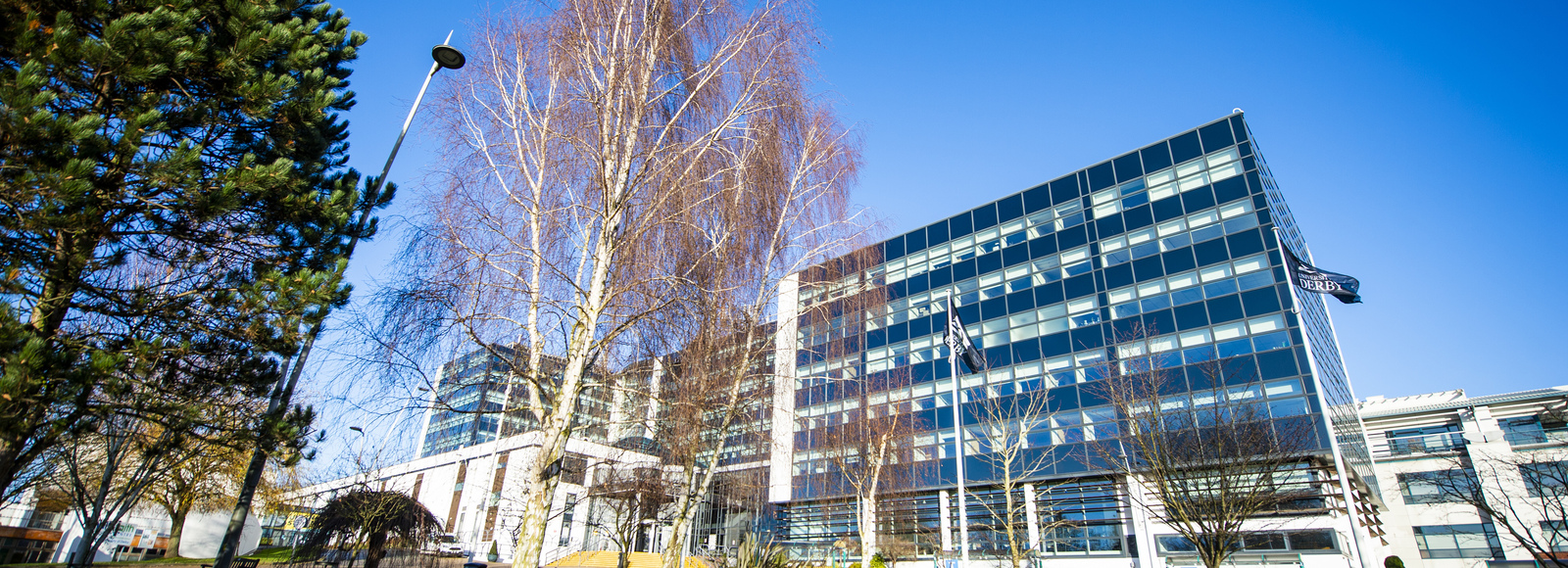
Transform your future at the University of Derby Whether you want to step up the career ladder, change paths or pursue your passion for a subject you ...