Masters Compare - Find your perfect masters course.




Masters Compare - Find your perfect masters course.


 Study Details: 1 Year Full-time 2 Years Part-time
Medical imaging plays an essential role in modern medicine, supporting the diagnosis, treatment and monitoring of disease. Technology is quickly and continuously evolving, and so are the exciting and rewarding careers in this field.
At Leeds, you will delve into the science and technology behind medical imaging techniques. This includes how images are captured, processed, displayed, stored and analysed. Some observation of clinical skills is offered as an option, to better understand clinical use of imaging equipment. You will build your skills and applied knowledge around medical imaging to suit your career path.
A bachelor degree with a 2:2 (hons) in a biological/physical science or radiography, or medicine or dentistry equivalent.
This course is also available as an intercalated programme to students who have completed three years of a UK medical degree.
See our website for fees
This course is designed for those who aim to expand their knowledge of imaging technology and further their career in medical imaging.
This pertains to working radiographers or technicians who want to progress into management and business of radiography. If you desire to change imaging modalities, you can develop skills and knowledge in a new modality, for example a move from general radiography into CT.
Newly graduated radiography students may wish to complete this course to learn more before entering the work force. Radiographers from outside UK could get exposure to the NHS and UK working radiography practices; this might be especially useful for those who apply for Health and Care Professions Council (HCPC) registration to practice radiography in UK.
If you are seeking a career in medical physics, this course can help you. Past students have gained acceptance on the national Scientist Training Programme within the NHS. For others this course has allowed them to complete the competences outlined by the Association of Clinical Scientists via Route 2 training, as supported by the Institute of Physics and Engineering in Medicine.
Graduates with medicine, biological and physical science, as well as computer science, physics or engineering degrees, who are interested in a career in medical imaging, will benefit from this course.
Compulsory modules
Optional modules (selection of typical options shown below)
Candidates must study at least 30 and up to 60 credits from the following modules:
Candidates will be required to study up to 60 credits from the following optional modules:
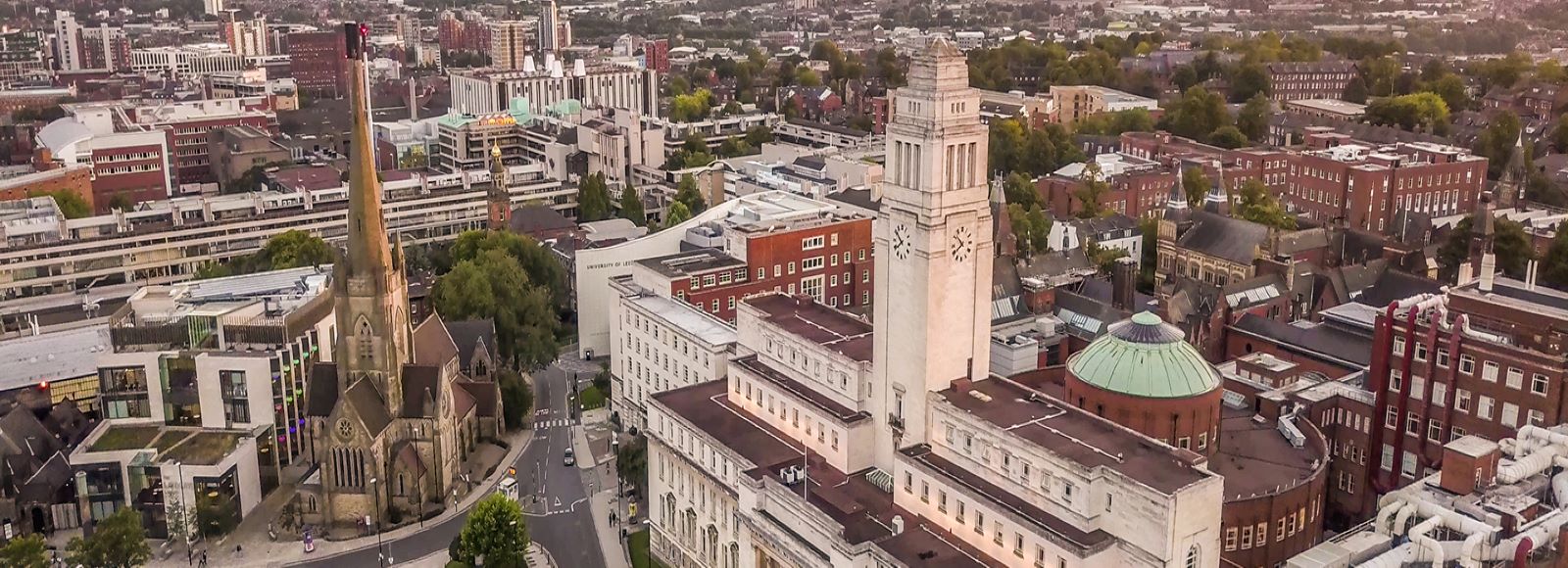
Take your knowledge to the next level with a Masters at Leeds A leading research university in one of the UK’s most diverse and vibrant cities, our po...