Masters Compare - Find your perfect masters course.




Masters Compare - Find your perfect masters course.


 Study Details: 1-2 years, Full-time
The role of the structural engineer is becoming increasingly vital as populations grow, and the world becomes more interconnected.
From designing ever-taller skyscrapers to longer and more complex bridges, structural engineers work closely with geotechnical engineers to ensure stability, and with transportation engineers to integrate these structures seamlessly into wider infrastructure networks.
The shift to green energy highlights this importance, with renewable facilities such as offshore wind farms and tidal generators relying on resilient structural systems for harsh environments. As the construction sector is responsible for significant proportions of global CO₂ emissions, structural engineers are central to sustainability as they can optimise materials, enhance energy efficiency, and collaborate across disciplines to reduce environmental impact.
Usually the entry requirements for the MSc Structural Engineering is a first or second class honours degree in Civil Engineering or Structural Engineering, or a similar relevant engineering or science discipline.
For fees and funding options, please visit website to find out more
We offer a wide range of scholarships and bursaries for both taught and research courses to help you fund your study.
This programme has been designed in line with Joint Board of Moderators guidelines, ensuring strong professional relevance and clear alignment with industry needs. Real-world engineering problems shape the learning throughout, with several modules incorporating challenges set directly by industry partners to provide practical, employment-ready experience.
The programme develops advanced capabilities in teamwork, leadership and communication, which are essential skills for collaborative research and multidisciplinary engineering practice. Group-based tasks require you to integrate diverse expertise and manage collective problem-solving under realistic project constraints.
As a graduate of the MSc in Structural Engineering at Swansea, you will be strongly positioned for rewarding employment opportunities. Your future could lie in any of the following roles:
Structural Engineer
Bridge Engineer
Consulting Civil Engineer
Contracting Civil Engineer
Project Manager
Highways/Transportation Engineer
Geotechnical Engineer
Coastal and Marine Engineer
Core Modules:
Structural Design and Strategic Engineering Management
Engineering Business Management
Transportation Engineering Design
Construction Methods in Infrastructure Works
Sustainable and Societal Engineering
MSc Dissertation - Civil and Structural Engineering
Optional Modules:
Advanced Finite Element Simulation
Finite Element and Dynamic Analysis
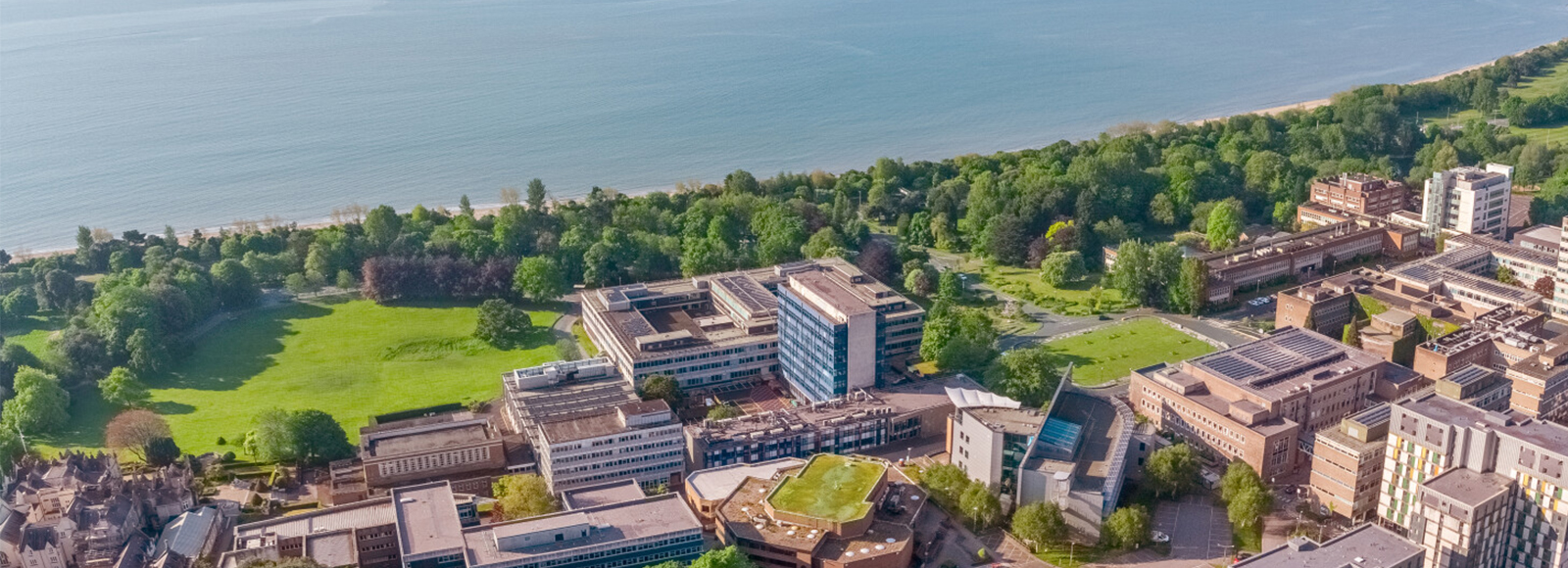
Boost your career prospects with a master’s degree at Swansea University — a place where postgraduate study feels achievable, supported, and genuinel...